
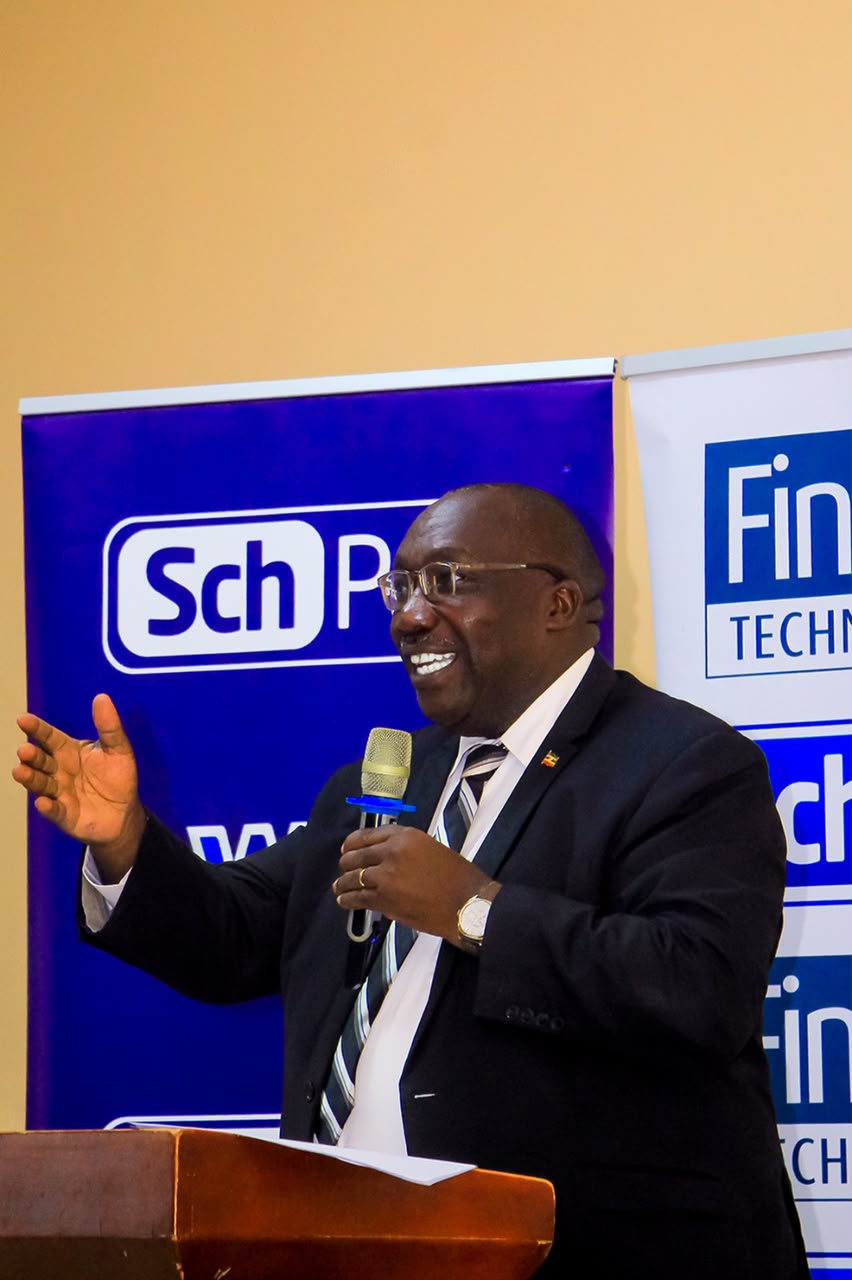
Parents and learners have been urged to embrace financial literacy as a central component in their lives as schools go digital and increasingly cashless economy.
"Reading and writing alone cannot bring food to your table. We need to teach our children how to earn, when to save, when to spend and how to invest," George Mutekanga, the outgoing Assistant Commissioner in charge of Private Schools and Institutions at the Ministry of Education said.
The call was made during a workshop for schools under the theme "Beyond Payments: Empowering Schools with Smart Digital Solutions" by SchoolPay aimed at equipping school leaders with practical knowledge on leveraging technology to improve school management at Silver Springs Hotel in Bugoloobi, Kampala
Mutekanga said while Uganda has made progress in improving literacy levels, many learners and even education administrators lack basic financial management skills.
He said schools should go beyond teaching learners how to read and write by equipping them with practical skills on earning, saving, spending and investing.
He noted that although entrepreneurship and Information and Communication Technology (ICT) have already been incorporated into the new curriculum, financial literacy should receive equal attention because it directly influences people's economic wellbeing.
Mutekanga applauded FinCom Technologies and its School Pay platform for embracing digital financial solutions, saying such innovations complement government's vision of building a cashless economy.
He cited a personal experience where he was able to send Shs270,000 through a mobile wallet after accessing funds from his bank account, saying digital financial services are transforming how Ugandans manage money.
"As we speak now, we are looking at a cashless economy. That is the way to go," he said.
Mutekanga challenged schools to deliberately cultivate a savings culture among learners by encouraging them to use digital wallets and savings accounts as modern-day piggy banks.
"Every child should be able to say, 'This is how much I have saved from my pocket money.' Saving should become a habit from an early age," he said.
Mutekanga also proposed that schools and education technology providers introduce incentives such as awards for the best student savers to encourage responsible financial behaviour.
According to him, poor spending habits remain one of the major contributors to poverty, as many people spend all the money they receive without planning for the future.
"One reason many people remain poor is poor spending habits. People spend money as soon as they receive it without thinking about tomorrow," he said.
He urged education stakeholders to develop structured financial literacy programmes that teach learners how to earn income, save consistently, spend wisely and invest for the future.
Mutekanga further pledged the ministry's support for partnerships that promote financial education, saying the initiative should be rolled out to both private and government schools across all of Uganda's education sub-regions.
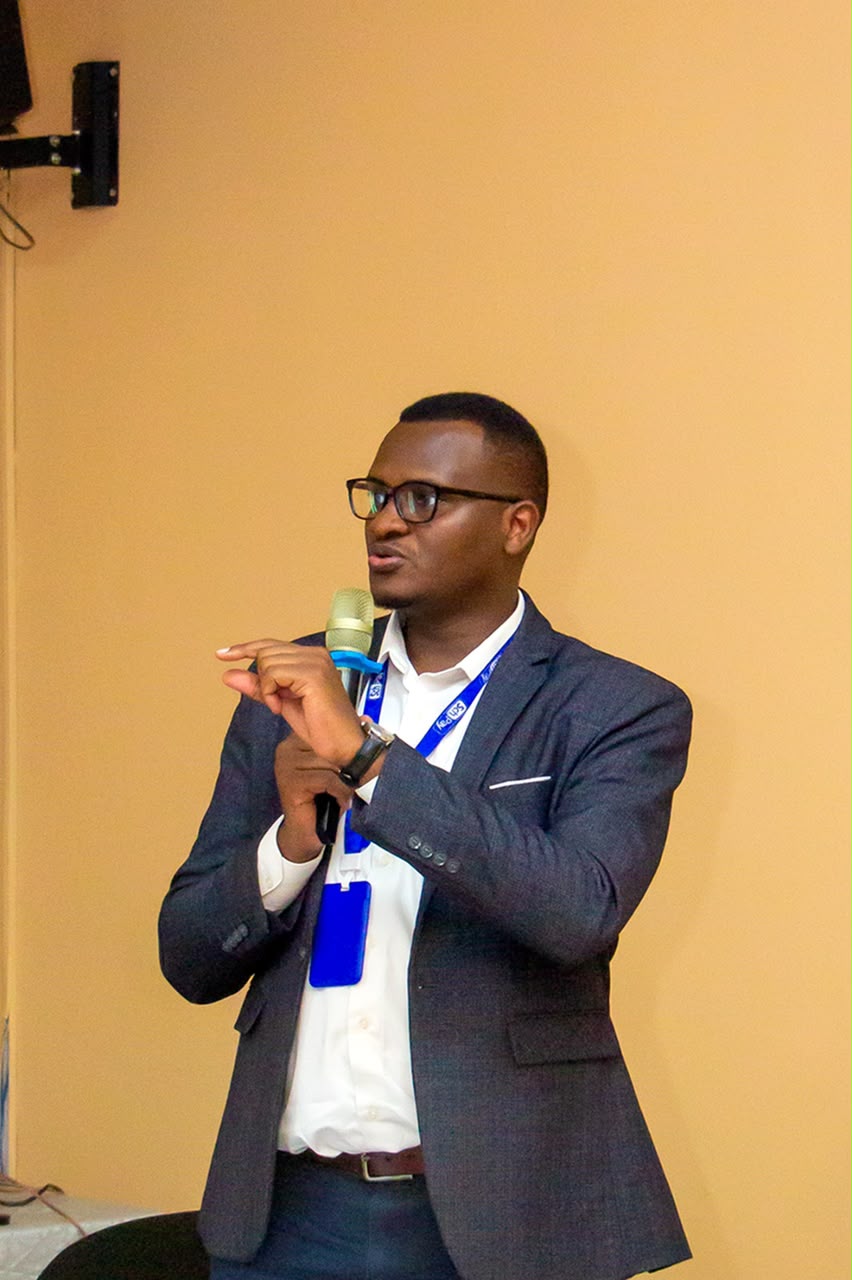
He also encouraged FinCom Technologies to use its next decade of operations to expand financial literacy programmes nationwide, expose schools to best practices and deepen digital financial inclusion within the education sector.
"We need programmes that teach people how to save for the future, prepare for emergencies and develop a culture of saving and responsible spending. If you can develop programmes around those areas, I will be delighted," Mutekanga said.
SchoolPay Africa has called for increased focus on financial literacy among learners, saying early exposure to saving, digital transactions and responsible money management will help prepare young people for the future economy.
Patrick Muhumuza, Head of Operations at SchoolPay Africa, said the company is expanding beyond school fee payment services to introduce digital financial solutions aimed at building a financially conscious generation.
Muhumuza said the introduction of the S-Wallet platform is intended not only to provide convenience to parents and learners but also to promote financial inclusion among young people.
“S-Wallet may appear to be a solution that helps parents send pocket money to learners, but what we are essentially doing is building a generation that is aware of financial services,” Muhumuza said.
He explained that the digital wallet allows parents to send pocket money and upkeep directly to learners, particularly those in boarding schools, while reducing the risks associated with keeping cash.
Muhumuza said the platform introduces learners to saving habits, card transactions and contactless payment systems at an early age.
“We are building a certain kind of culture where learners understand saving, transactions using cards and digital payment solutions. When they leave school, they should already be familiar with these financial services,” he said.
Muhumuza noted that financial literacy should not be limited to students but should also extend to teachers, school administrators and school owners, who require better understanding of managing finances in an increasingly digital environment.
“We know that it is not only students who need this. Teachers need it, school owners need it and administrators need it,” he said.
He added that SchoolPay Africa works with partners, including financial institutions, to provide financial literacy training and support stakeholders in understanding how to manage finances and operate future-ready schools.
The company is also introducing other digital solutions, including the SchoolPay Enterprise Resource Planning (ERP) system, which helps schools manage accounting, academics, attendance, communication and other operations.
Muhumuza said the goal is to transform schools through integrated digital solutions that improve efficiency and service delivery.
He added that the move is part of the company’s broader vision of transforming education through technology while equipping learners with practical skills needed in a cashless economy.
“If we do not empower the youth, then we are not planning for the future. Financial inclusion starts by exposing young people to these services early,” he said.
